From a Board Brief to a Routed PCB with Synth
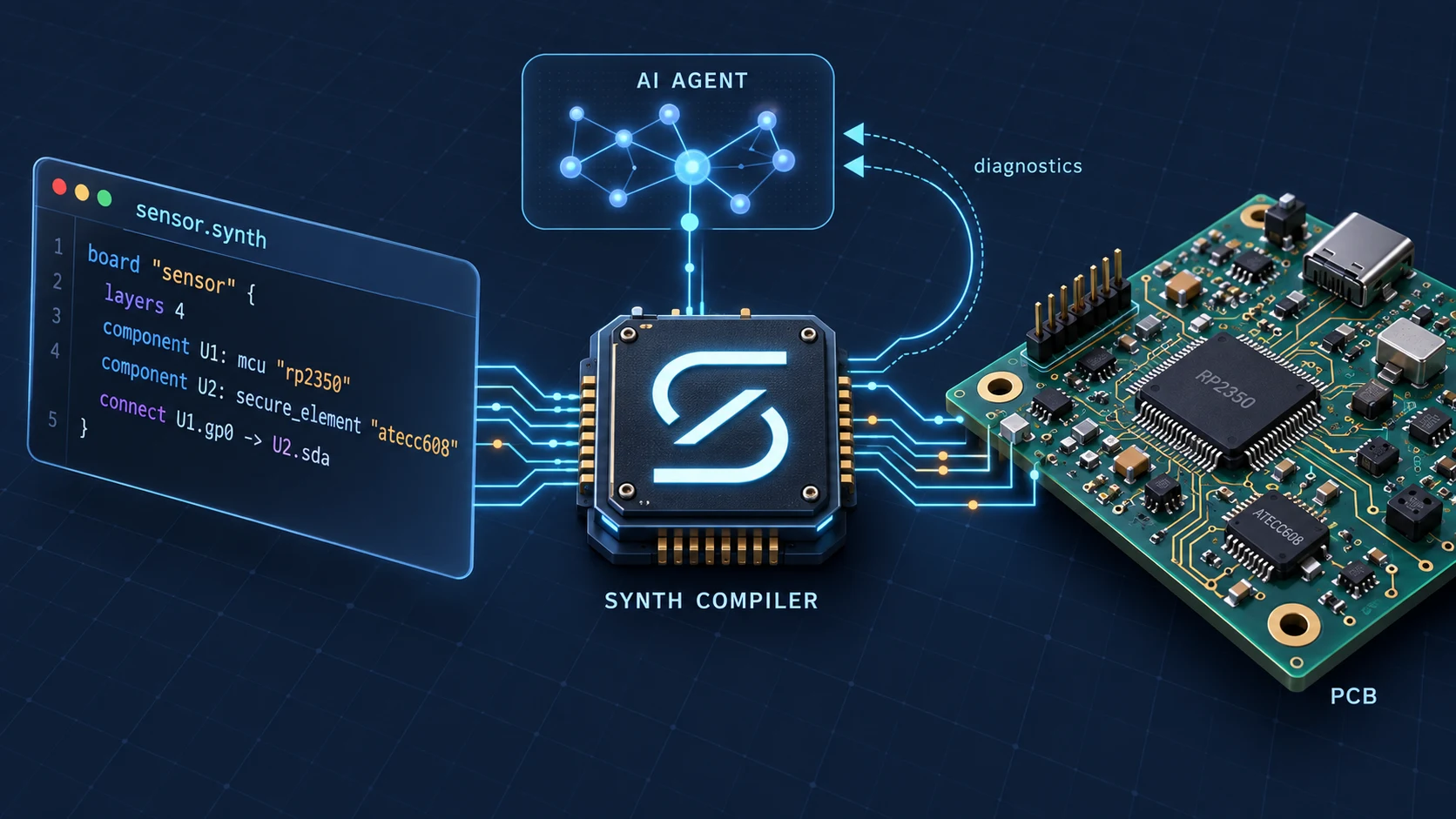
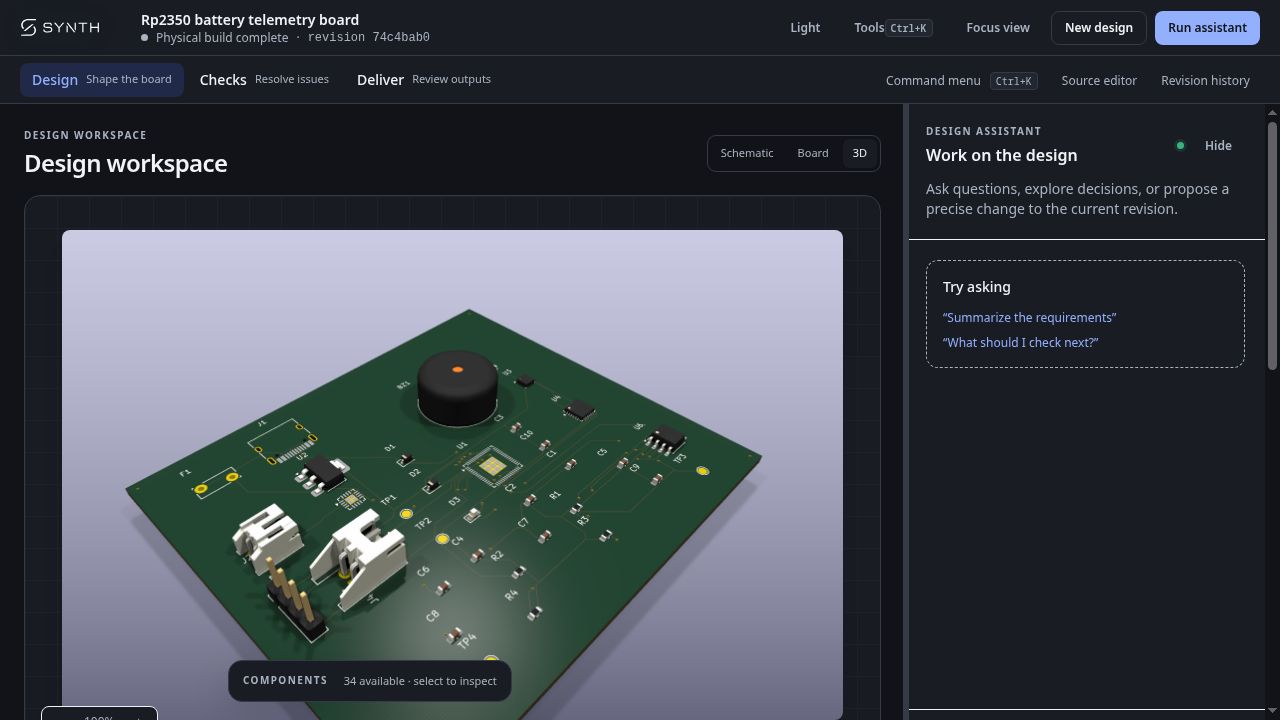
A tutorial showing how a fairly complex RP2350 battery telemetry board moves from a natural-language brief to reviewable source, KiCad artifacts, clean checks, and an approved manufacturing package.
Engineering intelligence. Let’s talk Technical articles, product announcements, and open-source deep dives from the people building Abstract Machines.
A tutorial showing how a fairly complex RP2350 battery telemetry board moves from a natural-language brief to reviewable source, KiCad artifacts, clean checks, and an approved manufacturing package.
Abstract Machines is open-sourcing Synth: design circuit boards as code, give AI agents compiler feedback, and generate KiCad schematics, PCB layouts, and BOMs.
Atom reaches v1.0.0 LTS: a stable, open-source security control plane for identity, authentication, authorization, machine identity, and audit across connected systems.
Magistrala reaches v1.0.0 LTS, its first long-term-support release. Stable, semver-governed public APIs, built on Atom as its identity and authorization layer and FluxMQ as its messaging foundation.
FluxMQ v1.0.0 stabilizes the public contracts behind a high-performance, multi-protocol messaging platform for IoT, edge, real-time, and event-driven systems.
Atom v0.50.0 adds runtime-configurable email templates, optional event publishing to an external broker, updated access tokens, and hardened certificate parameters.
FluxMQ v0.50.0 fixes etcd watch gaps and session-lease recovery for clustering, adds event hooks, deterministic retained-message matching, and isolated AMQP principals for Atom.
Magistrala v0.50.0 adds messaging hooks endpoints, a multi-publisher filter for readers, Rules Engine loop prevention, and gRPC authentication hardening.
Magistrala now splits into two editions: an open-source Community Edition and a commercially supported Enterprise Edition, both built on the same core.
Magistrala v0.40.0 ships with Atom as its core identity and authorization layer, removing the standalone users, clients, channels, and domains services in favor of a single, unified system that handles entities, tenants, groups, and resources.
Atom v0.40.0 adds self-service scoped access tokens, soft-delete and restore for entities and tenants, gRPC AuthN with TLS, and audit and telemetry improvements.
Learn how to build a reusable Lua Custom Node in Magistrala's Rules Engine, wire it into a rule, and sync updates without breaking production rules.
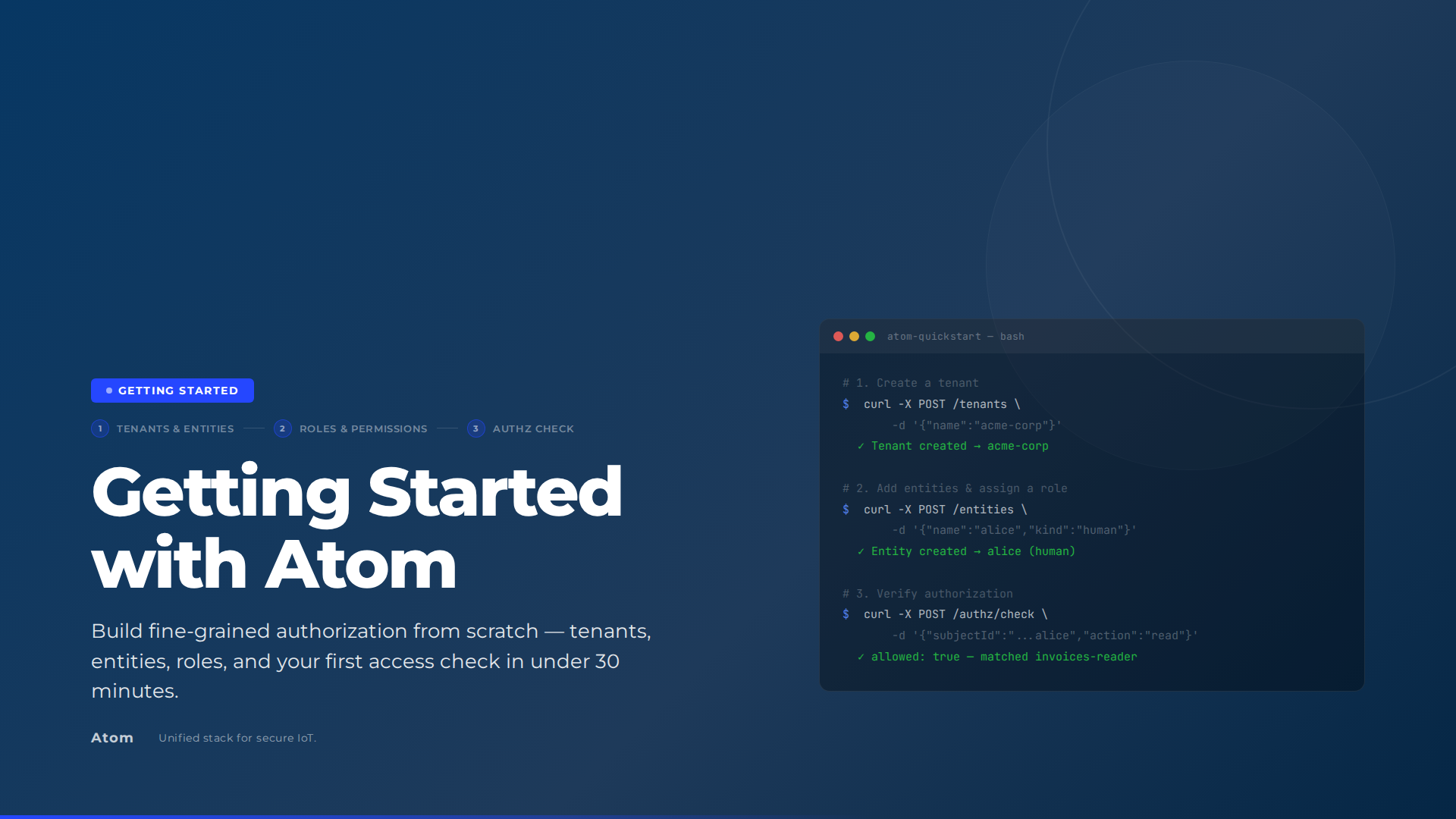
Atom is a free and open-source identity and authorization service that collapses entity state and access policies into a single store - one Rust binary, one PostgreSQL database, nothing else to run.
By the end of this guide you'll have Atom v0.1.0 running locally, a tenant with two entities, two roles backed by permission blocks, and a verified authorization check showing different access levels - all using the management UI.
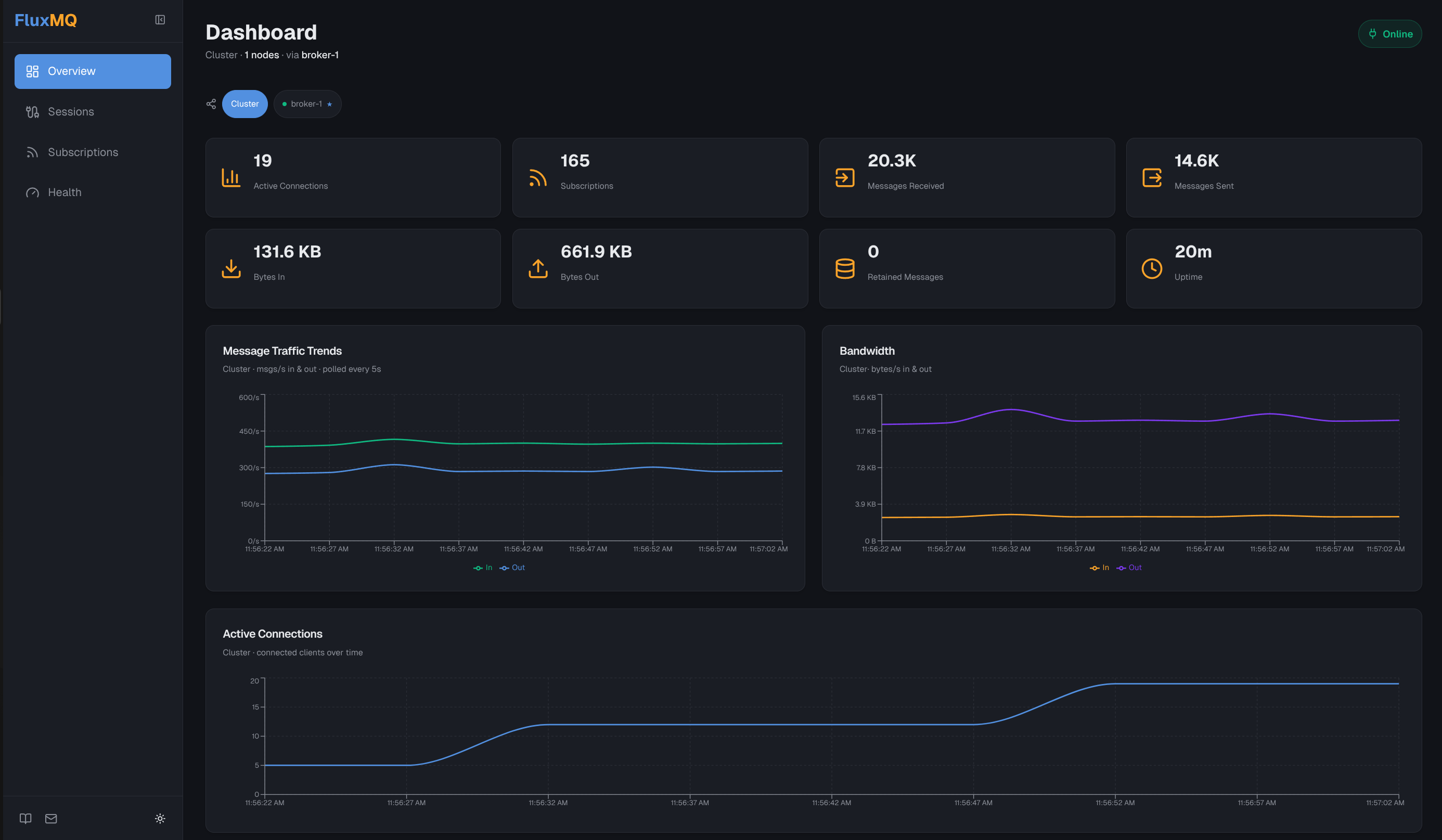
A walkthrough of the FluxMQ dashboard: what it shows, how it's built, and how to run it alongside your broker using Docker or docker compose.
Explore five IoT platforms worth evaluating in 2026, including Magistrala, Akenza, EMQX, AWS IoT Core, and Azure IoT Hub. This guide breaks down their strengths, trade-offs, and when each platform makes sense.
A practical guide to upgrading Magistrala from v0.19.0 to v0.20.0, including new domain admin actions, Rules Engine role backfills, Reports role backfills, and SpiceDB verification.
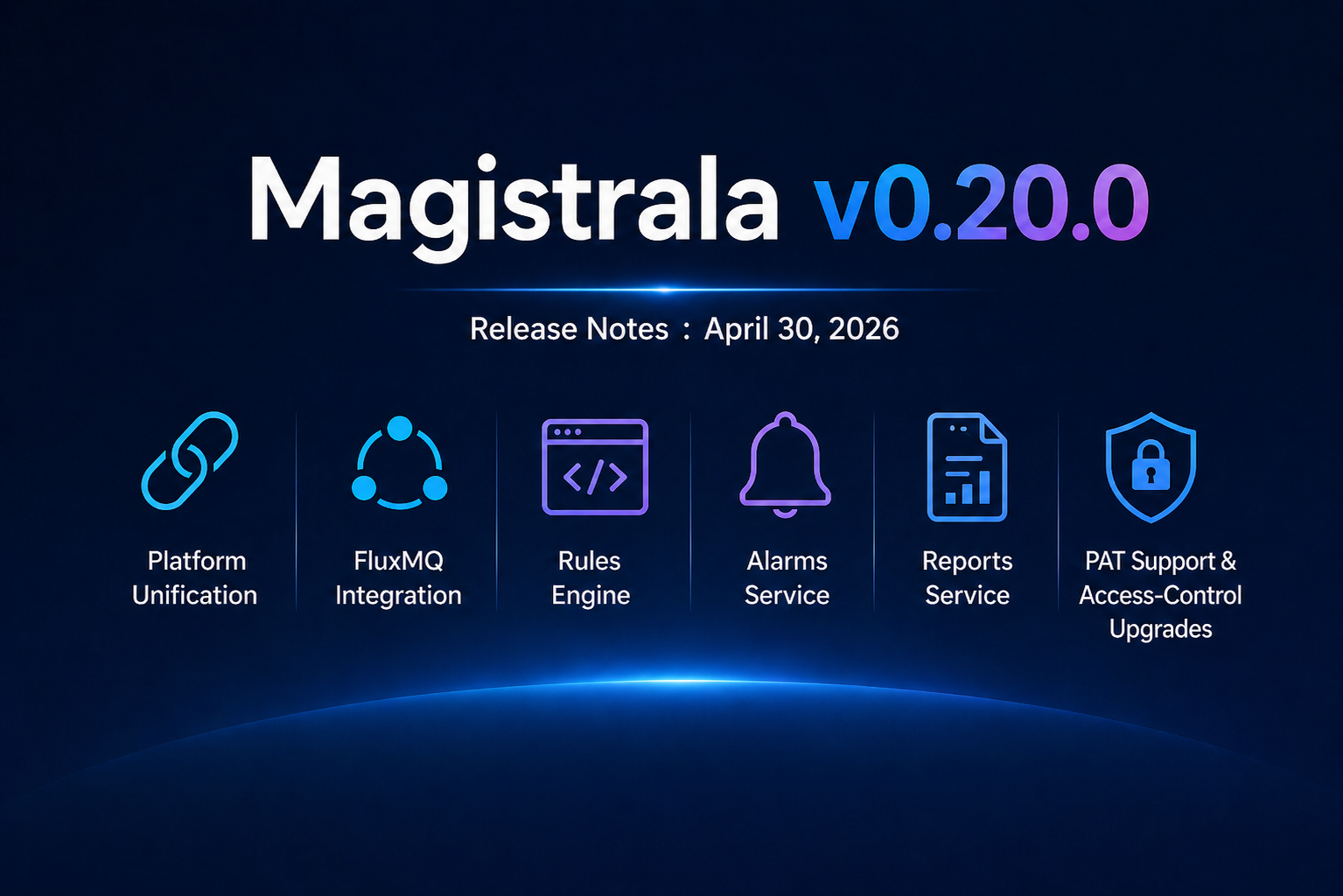
Release details for Magistrala v0.20.0, including the Magistrala and SuperMQ unification, FluxMQ integration, rules engine, alarms, reports, and access-control improvements.
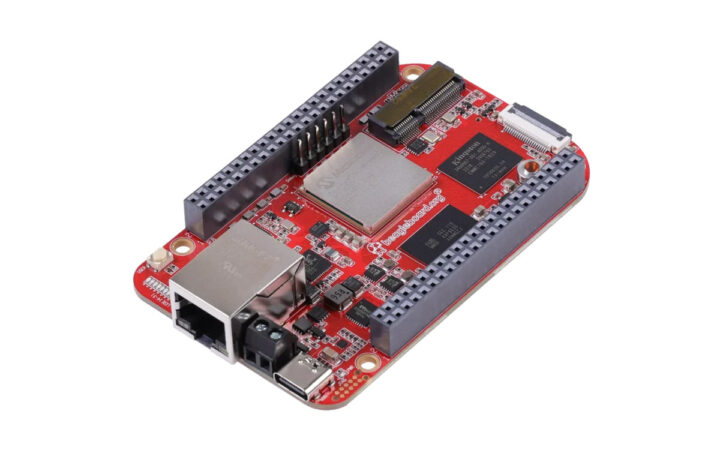
Learn about the highly scalable, secure and open-source cloud platform Magistrala, how to connect the BeagleV Fire to it and publish data via CoAP and MQTT
Magistrala solution packs are here. Install pre-built IoT and industrial solutions in minutes, explore them on our cloud platform, and when you are ready, deploy with our managed service or self-host using the open-source version.
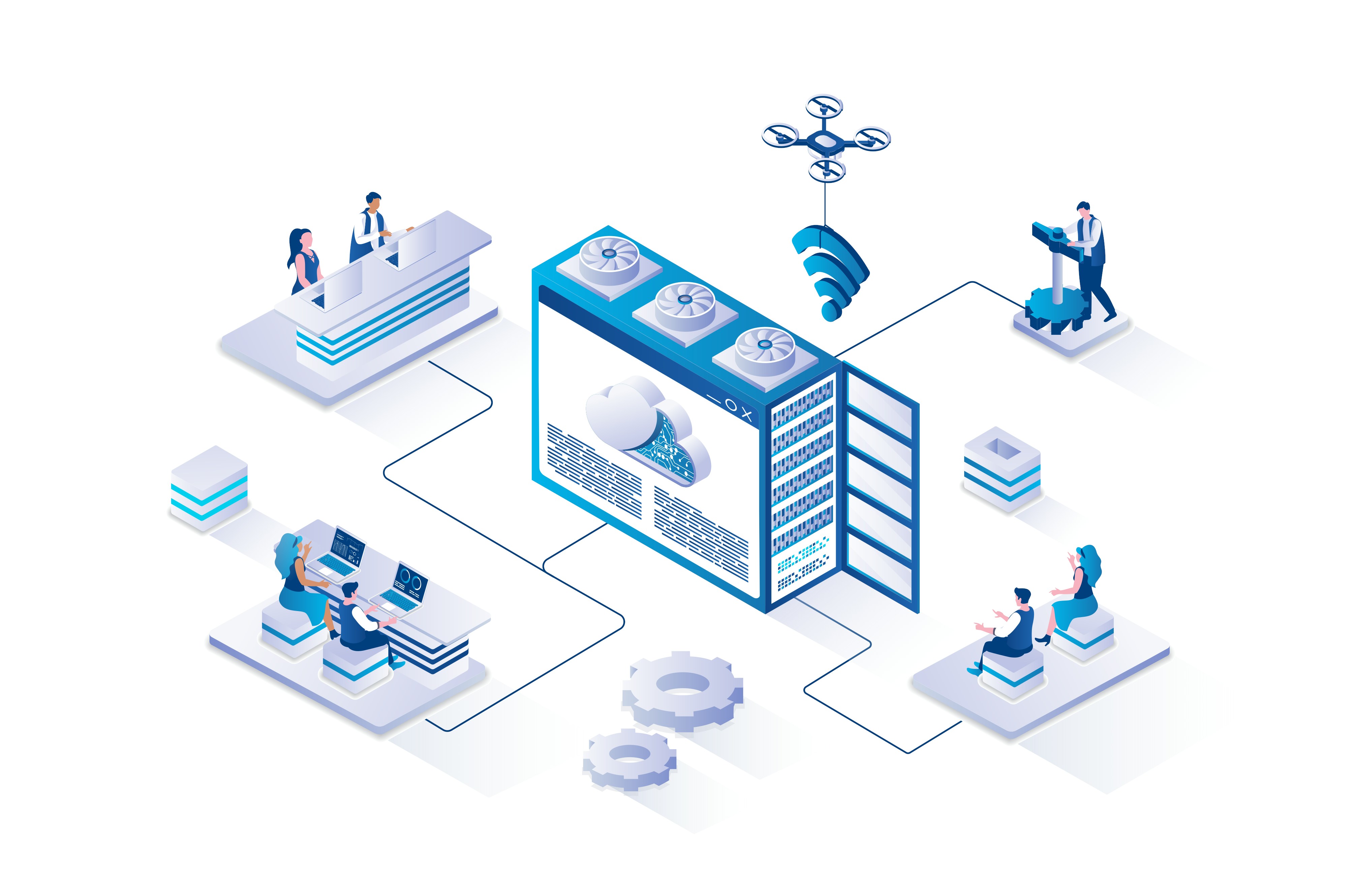
Explore how Magistrala can serve as the framework for building IoT and industrial solutions. We cover the key building blocks, how they work together to support flexible and scalable solutions, and what's coming next with solution packs.
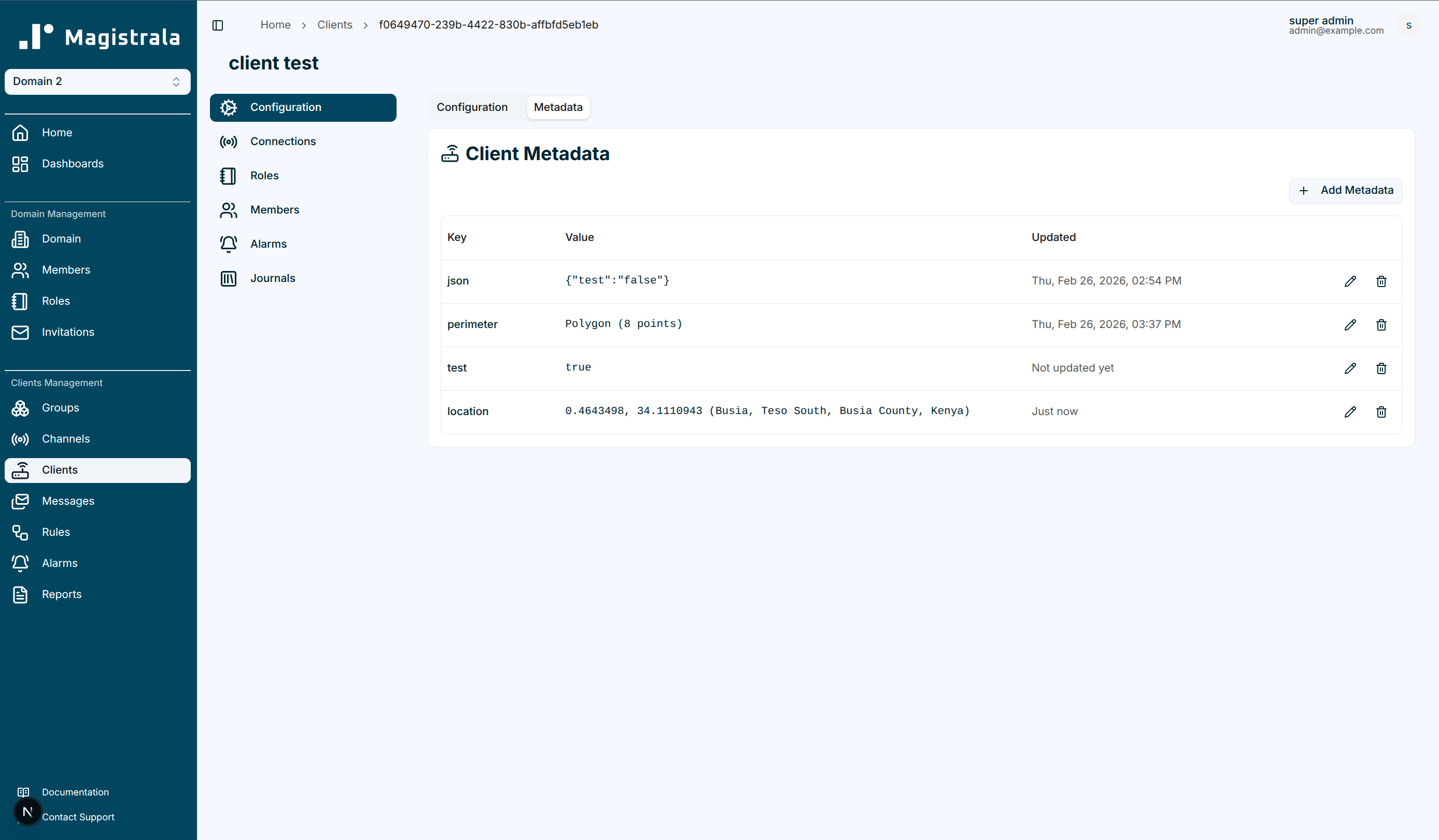
Magistrala UI v0.19.0 introduces a redesigned metadata system with a flat storage format, typed values, timestamps, and automatic migration support.
SuperMQ and Magistrala are now a single unified platform under the Magistrala name. Here's the full story — why we split, what changed, why we are merging back, and what you need to do.
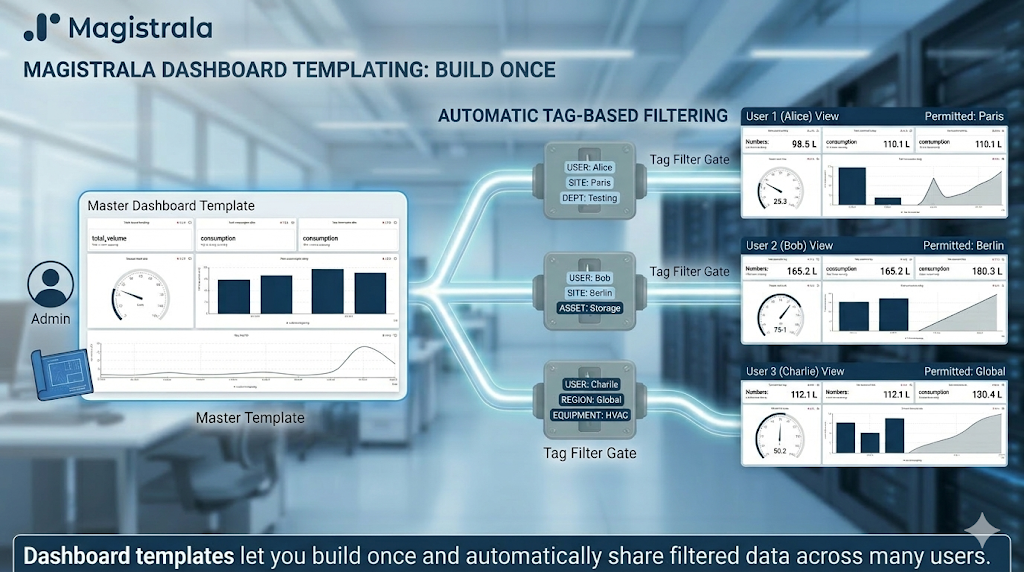
Learn how Magistrala's dashboard templates feature reduces setup overhead for multi-user IoT deployments. Build once, share with many, and let tag-based filtering surface the right data for each user.
Learn how to use Magistrala Agent to remotely deploy and manage Node-RED flows on edge devices over MQTT, tested with a local Docker mock device and Magistrala cloud.
We're merging SuperMQ and Magistrala back into a single unified platform. Here's what's changing and what it means for you.
Deploy and run WebAssembly workloads securely with Propeller inside Trusted Execution Environments using Intel TDX and AMD SEV.
How many concurrent WASM instances can an ESP32-S3 running Zephyr handle? We push WAMR's classic interpreter to its limits: 24 CPU-bound instances, 2 stateful instances — all isolated, zero errors.
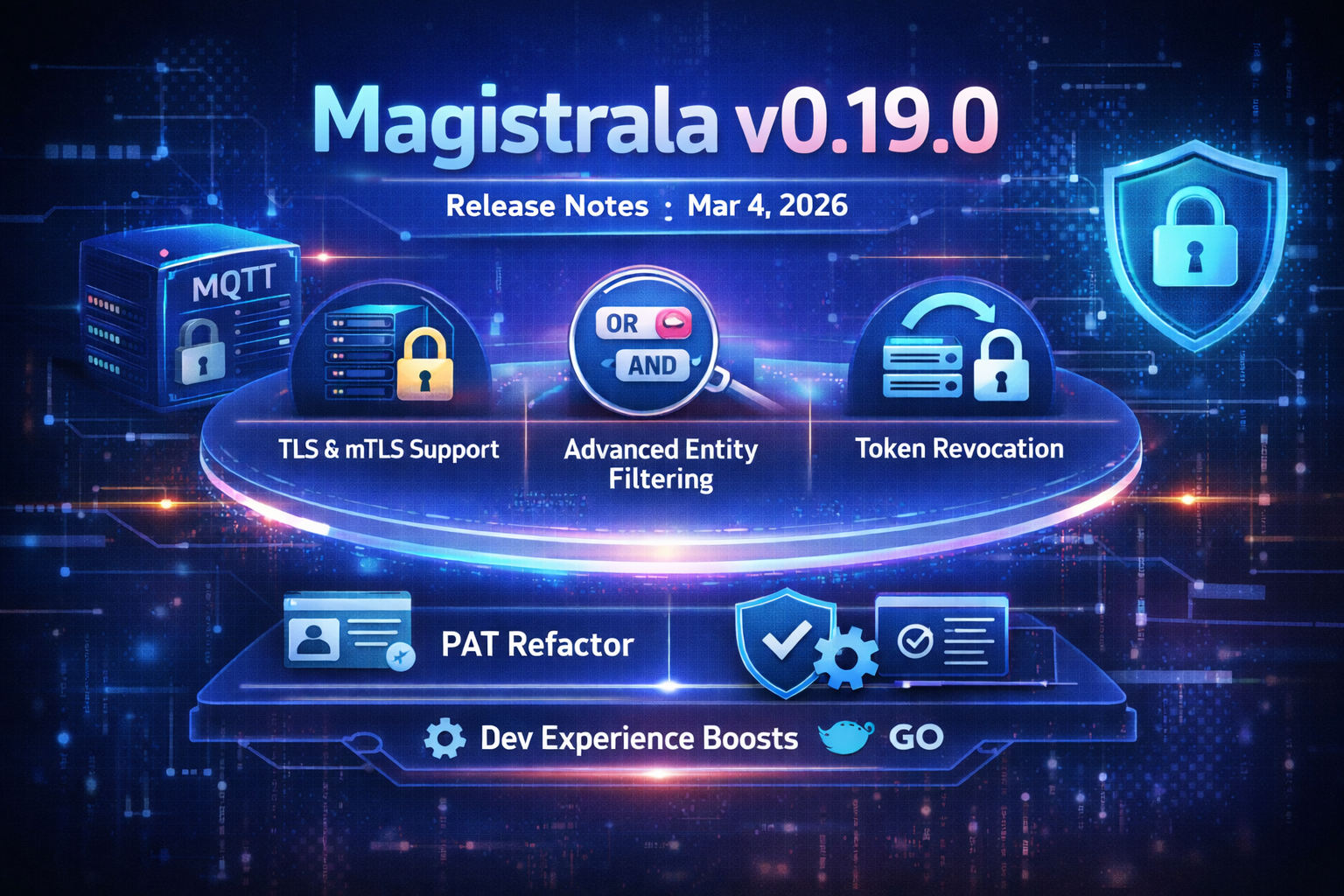
Release details for Magistrala and SuperMQ v0.19.0, including security improvements, advanced filtering, and MQTT TLS support.
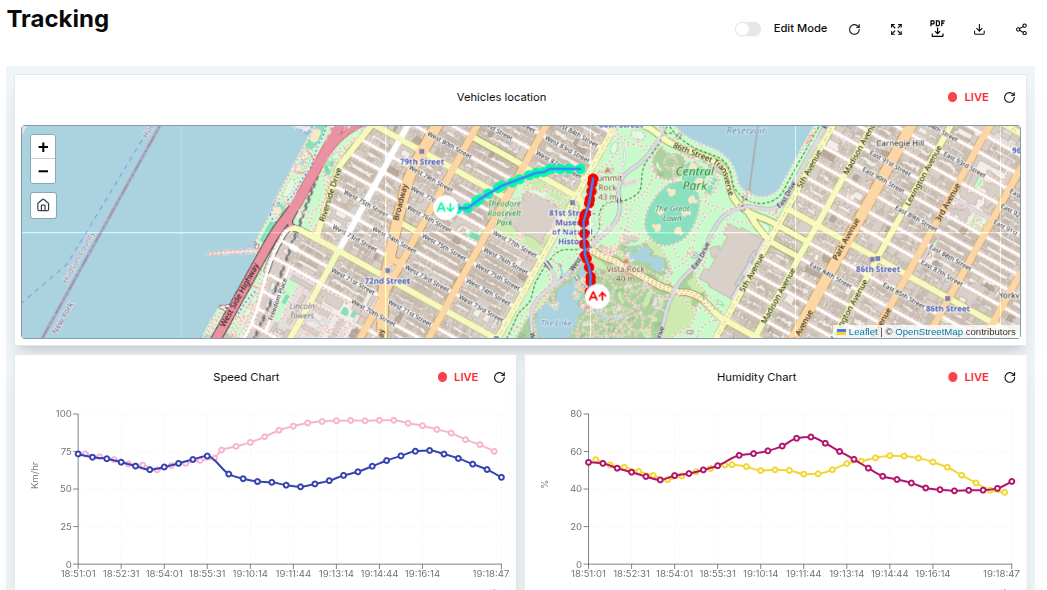
A demo of real-time asset tracking using Magistrala, an open-source IoT platform for securely connecting and monitoring assets
The journey to building the A0 IoT gateway, the challenges faced and the solutions implemented.
Most IoT teams hit the same wall: cloud costs spiral, latency compounds, and remote sites go dark. This is the architecture that fixes it — and why Propeller makes it practical to run.
A practical, end-to-end guide to running federated machine learning on Propeller using Docker Compose.
A high-level overview of FluxMQ’s architecture, core components, and design principles.
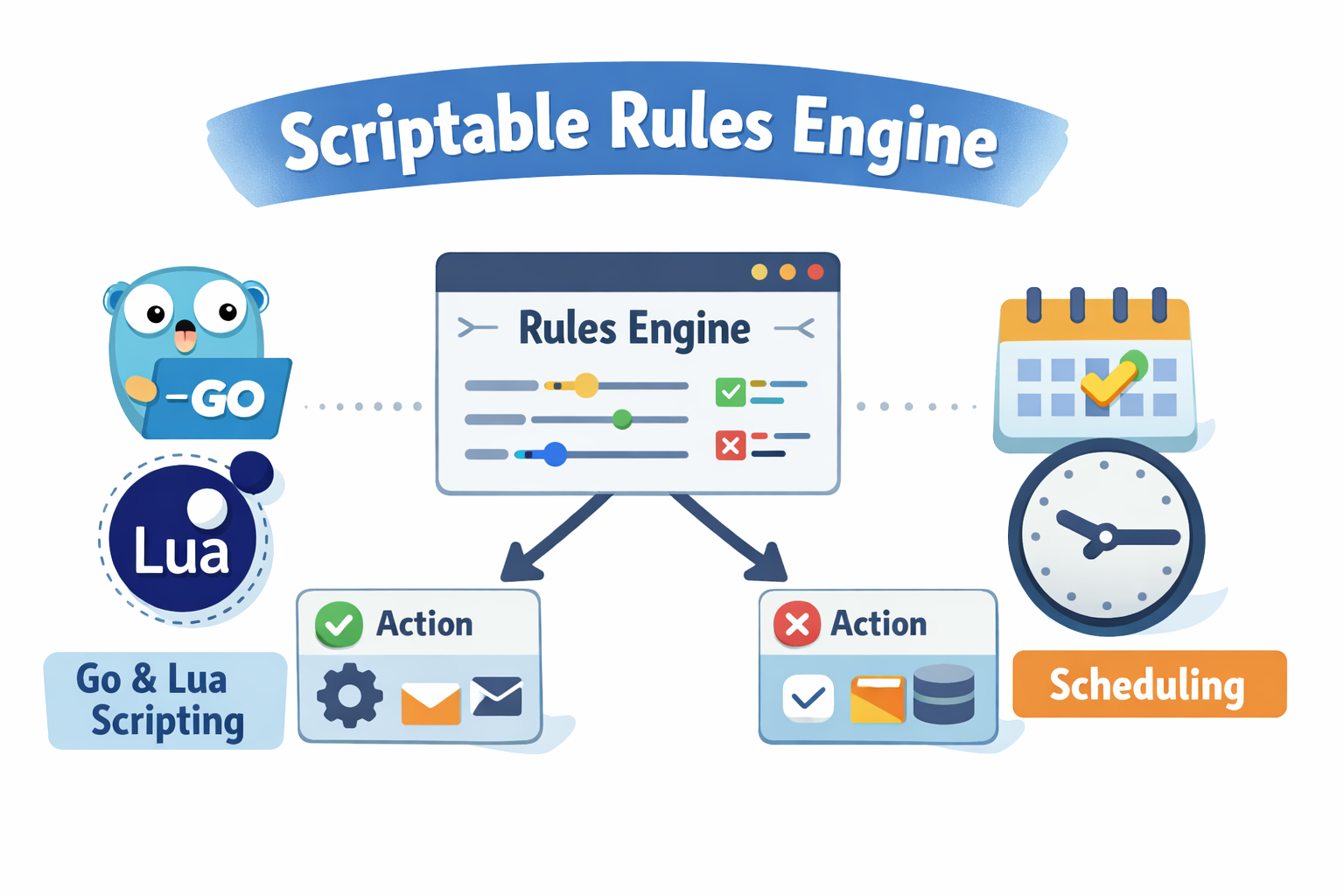
Learn how we built a dynamic, scriptable Rules Engine that enables real-time IoT message transformation using Lua and Go, complete with scheduling, observability, and a visual UI.
The organizational, technical, and architectural motivations behind building a new message broker.
A step-by-step guide to setting up Magistrala locally or on the cloud, creating your first IoT flow, and visualizing device data in real-time.
FluxMQ is a free and open-source message broker designed for modern messaging and event-driven systems.
A complete guide to the Magistrala UI — manage IoT devices, domains, messaging, rules, alarms, dashboards, and reports through a powerful visual interface.
Learn how Magistrala simplifies Industrial IoT with robust features like multi-protocol support, scalable architecture, and enhanced security.
Explore how Magistrala integrates OAuth2.0 to enhance authentication with support for Google and other providers.
Discover the latest updates in Magistrala v0.14.0, featuring enhanced scalability, improved access control, and UI upgrades.
Learn how Magistrala integrates with Ory Kratos to enhance user management, featuring MFA, password recovery, and admin APIs.
Try another search or clear the filters.